


What is print on demand?
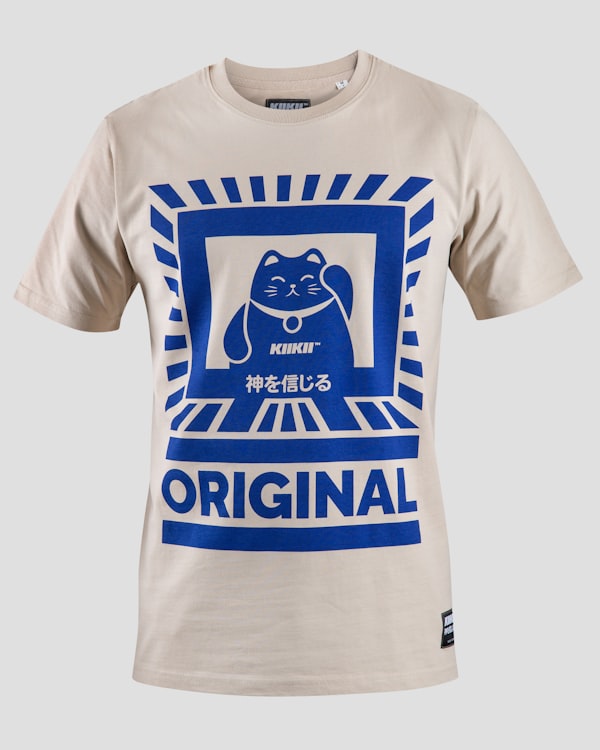
Print on demand (POD) is a fulfillment model where custom-designed products — typically apparel, drinkware, and accessories — are manufactured only when a customer places an order. You upload a design, list the product on your store, and a print partner produces and ships the item after payment.
Unlike traditional retail, you never buy blank inventory in bulk. If a design does not sell, you have no unsold stock sitting in a warehouse.
Common POD products
- T-shirts and hoodies
- Mugs and drinkware
- Tote bags
- Posters and wall art
- Phone cases and stickers
Each product type has a base cost from the print provider. Your retail price is what the customer pays. The difference is your margin.
How it works on Cartva
Print-on-demand products are created and managed from the Products section, often through a connected POD integration.
Creating a POD product
- Select a blank — Choose the product type and color options from the POD catalog.
- Upload design — Add your artwork file (PNG with transparent background works well for apparel). Position it on the mockup.
- Preview — Review how the design appears on the product image shown to customers.
- Set pricing — Enter a retail price above the displayed base cost.
- Publish — The product appears on your storefront like any other catalog item.
Order fulfillment
When a customer orders a POD product:
- Payment is captured through your normal checkout
- The order is sent to the print partner
- The partner prints, packs, and ships to the customer's address
- You receive tracking information to share if available
Design considerations
- Use high-resolution artwork for crisp prints
- Keep important elements within the printable area shown in the editor
- Test with a sample order before launching a full collection
Who it's for
Print on demand suits creators, brands, and entrepreneurs who want custom merchandise without inventory risk.
Good fit:
- Graphic designers and artists monetizing original work
- Niche communities (hobbies, professions, local pride) wanting branded apparel
- Influencers launching merchandise lines with limited upfront capital
- Side businesses testing designs before committing to bulk production
Less ideal if:
- You need same-day local pickup — POD ships from partner facilities
- Ultra-low price competition is your only strategy — base costs limit how cheaply you can sell
What you control vs what Cartva handles
| You control | Cartva handles |
|---|---|
| Designs, product selection, and retail pricing | Storefront listing and checkout |
| Which blanks and colors to offer | Order routing to POD partner |
| Branding on product pages and marketing | Payment processing |
| Customer service and refund policies | Integration with print provider catalog |
| Whether to order samples before launch | Product mockup generation in editor |
You own the creative direction and customer relationship. Cartva and the print partner handle production logistics after each sale.
Pricing model
POD pricing has clear layers:
- Base product cost — Charged by the print partner per unit; shown when you create the product
- Shipping — Varies by destination and product weight; may be charged to you or passed to the customer
- Your retail price — You set this on Cartva; margin = retail − base − shipping allocation
- Cartva subscription — Store and POD tools included in your plan; no per-design fee on standard plans
- Payment processing — Standard gateway fees on customer transactions
A typical t-shirt might have a base cost of $8–$15 USD depending on quality and provider. Retail prices of $25–$35 USD are common for niche designs. Always calculate margin after shipping and fees, not just base cost.